Yoga has long transcended its origins as a physical practice. While many practitioners initially embrace yoga for its fitness benefits, an increasing number are drawn to its deeper, more profound dimensions. This exploration of non-religious spirituality within modern yoga not only enriches individual experiences but also fosters a broader understanding of what it means to connect mind, body, and spirit.
The Spiritual Side of Yoga
At its core, yoga is not merely about mastering poses; it is about cultivating awareness. Click for info The spiritual side of yoga invites practitioners to explore their inner selves in a way that aligns with personal beliefs rather than traditional religious doctrines. This approach allows individuals from various backgrounds to find meaning and connection through the practice without feeling confined by specific religious teachings.
Take mindfulness as an example. This concept plays a crucial role in yoga, encouraging practitioners to be fully present in each moment. By focusing on breath and body sensations during practice, individuals can cultivate a sense of calm and clarity that extends beyond the mat. As one deepens their practice, this mindfulness can lead to self-awareness—a crucial component of personal growth.
Yoga Beyond Physical Poses
Many people perceive yoga solely through the lens of physical exercise, often concentrating on flexibility or strength. However, modern interpretations highlight that the essence of yoga goes far beyond these physical aspects. It encompasses mental clarity and emotional balance, offering tools for navigating life's complexities.
For instance, consider the practice of setting intentions before each session. This simple yet powerful act allows individuals to focus their energy on what they want to cultivate in their lives—be it patience, gratitude, or resilience. By establishing clear intentions, practitioners engage with their inner world and reflect on their values and aspirations.
Understanding Yoga Philosophy Simply
Often shrouded in mystique and jargon, yoga philosophy can feel intimidating for newcomers. Yet at its heart lies fundamental principles that can be understood simply and practically. The Yamas and Niyamas—ethical guidelines found in Patanjali's Yoga Sutras—serve as a foundation for moral conduct and self-discipline.
These concepts encourage respect for oneself and others while fostering personal responsibility. For example, Ahimsa teaches non-violence towards oneself and others; this translates into treating oneself with kindness rather than criticism during challenging moments on or off the mat. By embracing these philosophies without religious overtones, practitioners can apply them meaningfully in daily life.
Mindfulness in Yoga: A Pathway to Inner Calm
Mindfulness cultivates an appreciation for the present moment—a cornerstone of many yoga practices today. Incorporating techniques such as meditation enhances this focus further. Regular meditation sessions may initially seem daunting; however, even brief periods spent in quiet reflection can transform one’s experience significantly.
Practicing mindfulness helps alleviate stress by promoting relaxation responses within the body. Research indicates that even short meditation practices can lead to reduced anxiety levels while improving overall mental clarity. As practitioners learn to observe thoughts without judgment during these sessions, they develop greater emotional resilience—a crucial aspect of personal development.
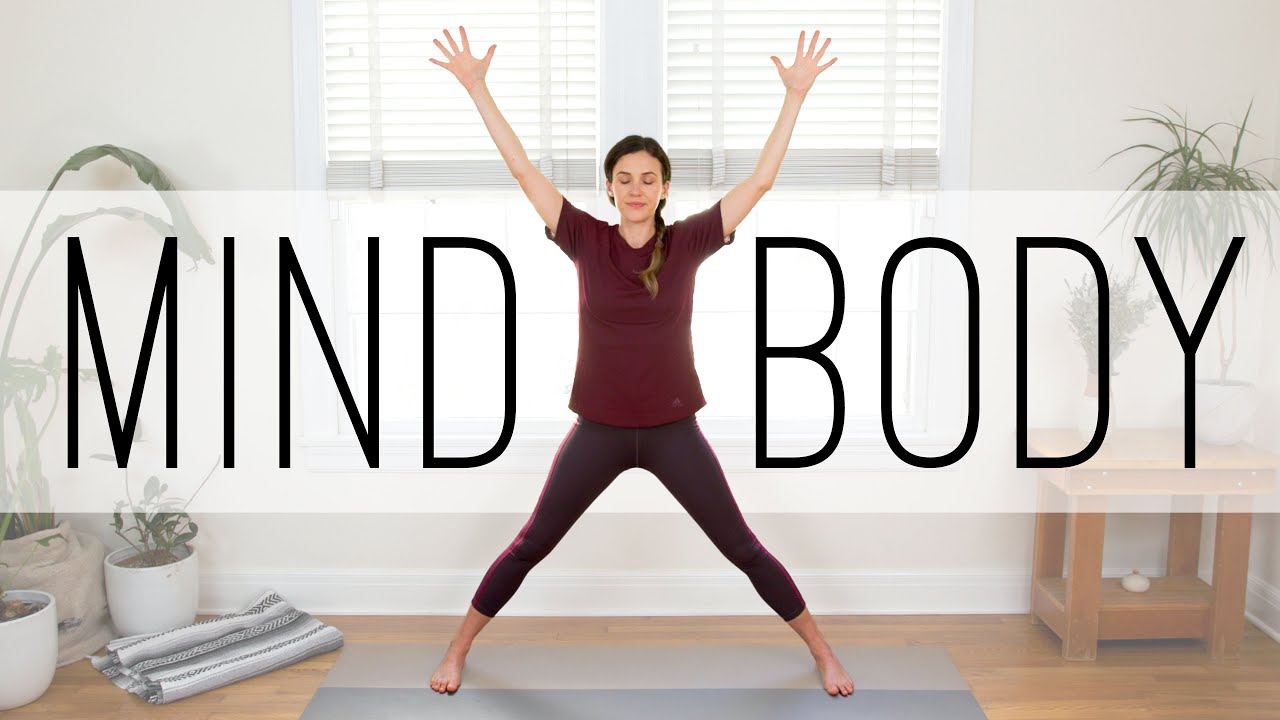
The Connection Between Yoga and Meditation
The relationship between yoga and meditation is intricate yet deeply rewarding. While both share common roots in ancient traditions aimed at achieving union with the self or higher consciousness, they serve distinct purposes within modern practice.
Yoga prepares the body for seated meditation through movement—helping release tension accumulated throughout daily life. Conversely, meditation allows individuals to delve deeper into consciousness by quieting mental chatter that clouds clarity. This interplay creates a holistic experience where physical postures support mental stillness.
Practitioners might find that integrating short meditative pauses into their asana routines enhances focus during challenging poses or provides moments of respite amid hectic schedules outside class settings.
Finding Personal Growth Through Non-Religious Spirituality
Ultimately, non-religious spirituality within modern yoga encourages self-discovery—a journey unique to each individual’s needs and experiences. Engaging with practices like intention setting enables participants to identify areas requiring growth while fostering an atmosphere conducive to exploration without dogma's constraints.
One inspiring story comes from Sarah—a former corporate executive who turned to yoga after experiencing burnout from her fast-paced lifestyle. Initially seeking mere physical relief through stretching exercises led her on an unexpected journey towards deeper self-reflection practices like journaling alongside her mat work became essential components of her routine over time she gradually realized how interconnected her emotional well-being was with her ability to cope with stressors outside work responsibilities.
Through consistent practice rooted in intention-setting—Sarah learned not only about herself but also discovered ways she could contribute positively back into her community—showcasing how profound transformations often arise unexpectedly when one embraces vulnerability alongside strength throughout this process!
In embracing non-religious spirituality through modern yoga practices—we unlock pathways toward authenticity connecting us holistically by nurturing our minds bodies souls alike leading ultimately toward empowerment fulfillment joy!

